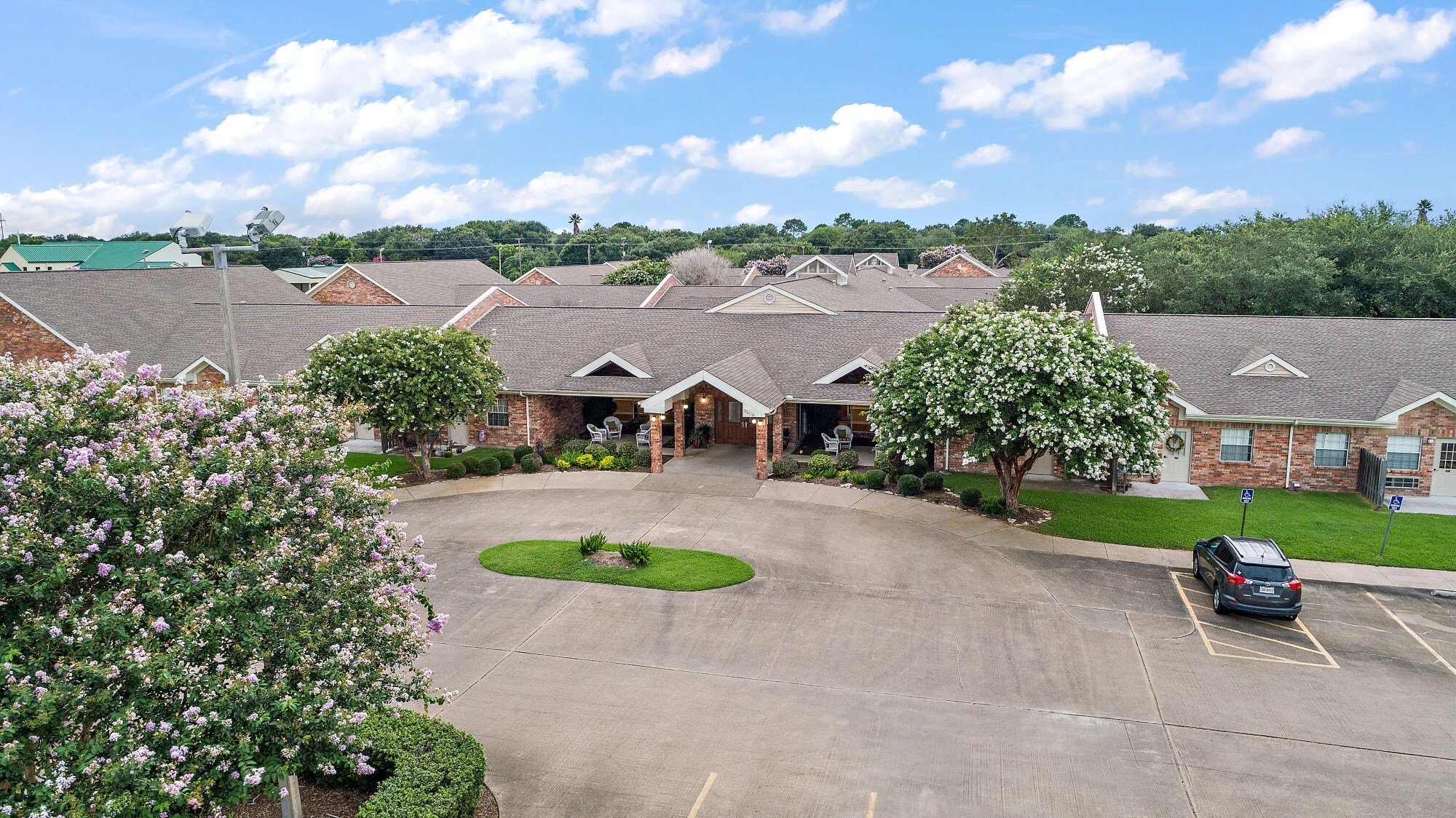

Supporting residents through the advanced stages of dementia requires compassion, structure, and daily understanding. In this stage, personalized routines, sensory engagement, and calm surroundings become essential for comfort and quality of life.
According to the Alzheimer's Association, more than 7 million Americans live with Alzheimer's disease, and that number may rise to nearly 13 million by 2050. This shows why memory support is becoming increasingly important in senior living communities across the country.
In Victoria, Texas, known as the "Crossroads of South Texas," families can find compassionate memory care that helps residents feel secure while maintaining their dignity.
Understanding the Advanced Stages of Dementia
The advanced stages of dementia involve major changes in memory, language, and mobility. Many residents may need help with eating, dressing, and daily communication. This phase often requires round-the-clock attention and a focus on emotional comfort as much as physical safety.
Each person experiences dementia differently, so care must always be individualized. In communities like Morada Victoria, this includes structured routines, calm environments, and consistent staff who know each resident's needs well.
Emotional Support and Human Connection
Even when verbal skills decline, residents can still respond to tone, touch, and facial expressions. Empathy, patience, and familiarity create a sense of stability. Emotional connection remains powerful even when memory fades.
Staff often use reminiscence activities, music, or comforting scents to help calm residents. Gentle, predictable interactions can ease anxiety and make each day feel safer.
Memory Support in Victoria, TX: Effective Late-Stage Dementia Care Practices
Late-stage dementia care focuses on maintaining comfort, promoting dignity, and minimizing distress. Residents benefit from slow-paced communication and gentle physical guidance. Simple cues and calm voices help create security.
Team members trained in dementia care learn to interpret nonverbal communication by recognizing signs of pain, hunger, or discomfort, even when words are limited. Small details can transform a resident's comfort level and overall mood.
Creating a Familiar and Secure Setting
A predictable environment helps residents feel at peace. Familiar furniture, photographs, and soft lighting can reduce confusion. Consistency in caregivers and surroundings also supports orientation throughout the day.
Morada Victoria provides welcoming spaces such as courtyards and walking paths that promote a sense of calm and familiarity. Learn more about our amenities designed to support both safety and comfort.
Encouraging Sensory and Cognitive Stimulation
Engaging the senses can enhance mood and slow certain symptoms associated with cognitive decline management. Research confirms that sensory and memory-based therapies improve the quality of life for residents in long-term care settings.
Common forms of sensory therapy include:
- Music sessions tailored to personal history
- Aromatherapy with familiar scents
- Touch-based activities such as folding towels or handling soft fabrics
- Visual stimulation through nature scenes or gentle light displays
Even simple sensory experiences can evoke joy and connection. They encourage residents to engage with the world in ways that feel safe and comforting.
Outdoor Activities and Natural Engagement
For people with dementia, time outdoors supports both relaxation and cognition. Studies show that connecting with nature may help slow symptom progression.
Communities in Victoria often feature shaded garden areas and walking paths to encourage gentle activity. These spaces provide sunlight, movement, and fresh air, which are all essential to emotional health. Nature offers balance and renewal, even in the later stages of dementia.
Managing the Challenges of Alzheimer's Progression
As Alzheimer's progression continues, daily care must focus on physical well-being and consistent reassurance. Supportive staff can help prevent distress by anticipating residents' needs before confusion escalates.
Structured schedules, soothing activities, and regular meals all contribute to a peaceful rhythm. At this stage, physical touch, such as holding hands or gentle shoulder contact, can communicate safety more effectively than words. Consistency and compassion make the difference between calm and confusion.
Building Secure Environments and Routines
Secure environments are essential for residents with late-stage dementia. These areas allow safe movement while preventing disorientation or wandering. Safety measures include supportive design, open layouts, and clear pathways for walking.
Structure brings peace of mind for both residents and families. Predictable mealtimes, daily routines, and calming transitions between activities help residents feel settled and protected.
Family Involvement and Communication
Families play a central role in maintaining emotional well-being. Regular updates and visits create a stronger bond between caregivers and loved ones. Personal stories and familiar music or photos can provide emotional grounding for residents.
Staff often collaborate with families to adapt routines or identify comfort triggers. This teamwork creates care plans that respect individuality and history. Partnership between staff and family ensures the highest quality of support.
Frequently Asked Questions
What Happens During the Advanced Stages of Dementia?
In the advanced phase, individuals often lose the ability to speak, recognize familiar faces, or move independently. Care focuses on comfort, nutrition, and emotional stability. Trained caregivers provide full assistance while preserving dignity through calm interaction and personalized attention.
How Does Late-Stage Dementia Care Differ From Earlier Care?
Early-stage care emphasizes independence and memory exercises, while late-stage dementia care centers on daily physical support and emotional soothing. The goal shifts from cognitive stimulation to maintaining comfort and safety at all times.
In this stage, caregivers focus on reducing stress and creating a peaceful rhythm through touch, tone, and routine. Activities become simpler, focusing on sensory experiences and reassurance rather than learning.
What Are the Best Ways to Communicate With Someone in Advanced Dementia?
Simple sentences, eye contact, and soft tones are best. Physical gestures, like smiling or a light touch, can communicate more effectively than words. Visual cues such as photographs or familiar objects can help bridge communication gaps.
How Does Morada Victoria Support Residents With Cognitive Decline?
Morada Victoria uses personalized care routines and sensory-based programs to enhance daily comfort. Staff members are trained in cognitive decline management and emotional reassurance. The community also provides access to calming natural areas and structured activities that nurture confidence and well-being.
Compassionate Memory Care in Victoria, Texas
Supporting residents through the advanced stages of dementia takes patience and genuine connection. Morada Victoria stands out for its long-standing reputation, engaging programs, and homelike atmosphere that reflects the warm character of Victoria itself.
Residents can enjoy a beautiful courtyard, activity rooms, and dining spaces designed to foster social interaction and relaxation. To discover how we support individuals and families through each stage of dementia, contact us to learn more or schedule a personal visit.