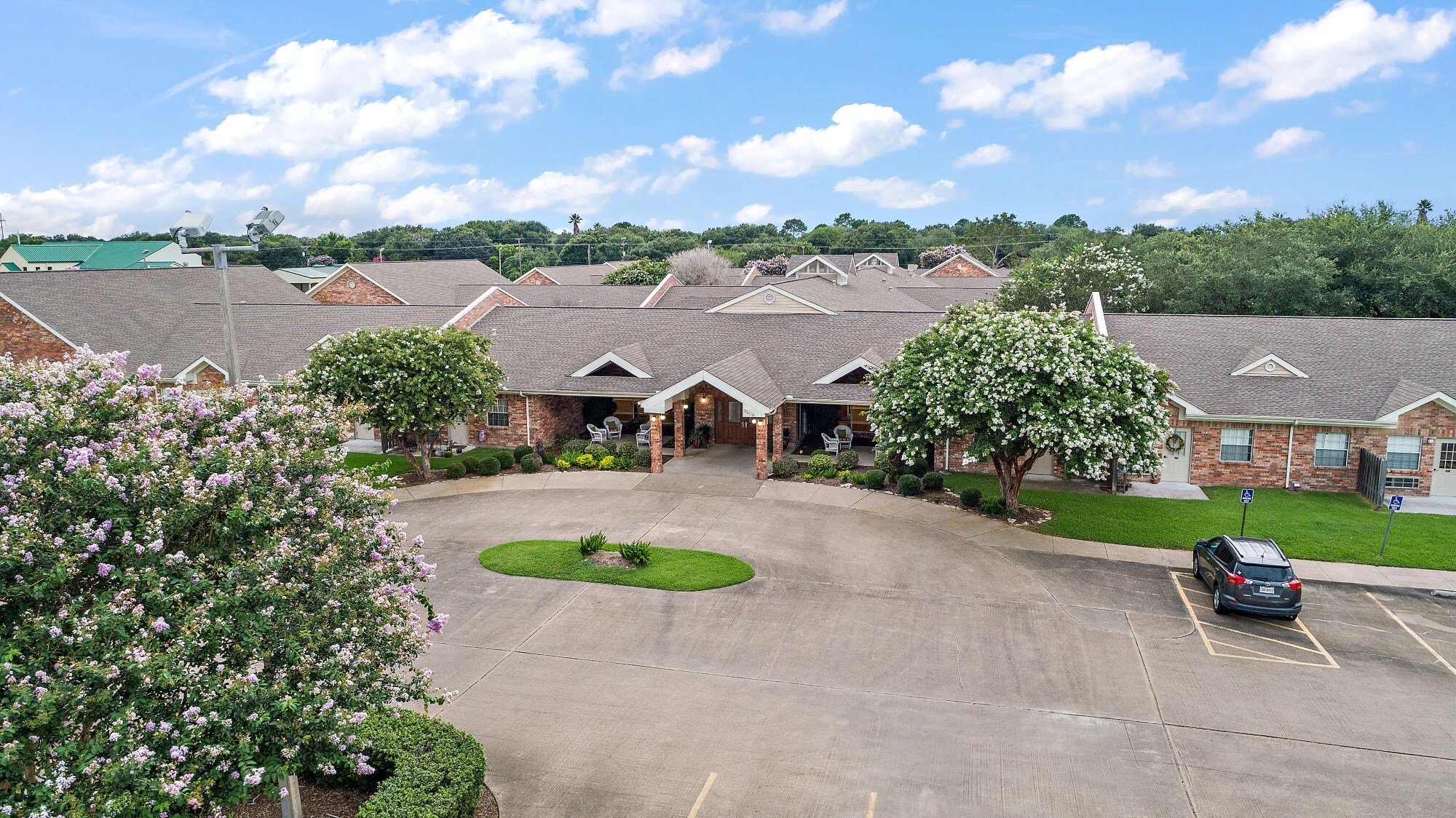

Community meals support wellness and connection for seniors by encouraging daily structure and routine, and building meaningful relationships through shared experiences. They also support independence and confidence, and create opportunities for engagement and lifelong learning.
According to MedlinePlus, there are several factors that can make it harder for seniors to eat healthily as they age. It's important to overcome these hurdles so that you can keep your body nourished and retain your independence for as long as possible.
But eating goes beyond just physical health. Many older adults in Victoria, TX, and beyond can benefit from community meals, which senior living communities like Morada Victoria offer.
What Is the Meaning of Community Meals?
Community meals are organized gatherings where people share food together in a welcoming and social environment. These meals can be served at a number of locations, including:
- Senior centers
- Churches
- Senior living communities
- Neighborhood programs
Many older adults gain access to balanced meals. In addition, they benefit from the social aspect of community meals. According to Michigan Medicine, more than one-third of people aged 50-80 feel lonely and isolated, so you can see the impact these meals can have on older adults.
What Is the Importance of Community Meals?
Now that you understand what community meals are, the next thing is to understand their importance. Here are the communal dining benefits that seniors can enjoy.
Encourages Daily Structure and Routine
After retirement or major life changes, you can feel lost, even if it's a positive transition. But communal dining offers you nutrition with purpose.
You can establish a consistent daily rhythm, where there are set times you gather for breakfast, lunch, or dinner. This daily routine gives you something to look forward to, and it supports both mental and physical wellness by regulating:
- Sleep patterns
- Medication schedules
- Appetite
When you know you're having meals at predictable times, this makes it less likely for you to skip eating or rely on convenience foods. Plus, the anticipation of seeing other people can add purpose to your day.
Builds Meaningful Relationships Through Shared Experiences
Sharing meals can provide natural opportunities for senior social connection. In a senior living community, you'll see the same people regularly, and it'll give you a good excuse to sit down together and have conversations without it feeling forced.
Sitting together at a table for meals encourages:
- Storytelling
- Laughter
- Everyday interactions
This helps you form friendships that extend beyond the dining room. Often, you'll bond over common interests, life experiences, or cultural traditions, and it'll create a sense of belonging.
Strong relationships built in the dining hall contribute to a more welcoming environment. Overall, this will help residents feel valued, included, and connected.
Supports Independence and Confidence
There's a surprising connection between meals and mental health. Community meals can empower seniors to maintain independence while receiving helpful support.
For example, the senior living community takes care of all the shopping, cooking, and cleaning up. Residents can have meals in an accessible setting designed for their needs, too.
However, you maintain your independence by choosing what you eat. Plus, you can engage at your own pace.
These may be small acts of autonomy, but they're crucial for reinforcing self-esteem. As a result, it can encourage you to keep participating in daily activities.
Creates Opportunities for Engagement and Lifelong Learning
Mealtimes are hubs for enrichment and engagement. For example, before or after meals, there may be:
- Guest speakers
- Themed events
- Cultural celebrations
- Skill-sharing activities
These can all stimulate curiosity and conversation. You can keep your mind active and be encouraged to try new foods, traditions, or even ideas. Themed menus that are tied to holidays or international cuisines can spark memories and meaningful discussions, and these strengthen both cognitive and social health.
By combining nourishment with engaging activities, community meals become dynamic social events. They can help keep you mentally sharp and emotionally fulfilled.
Frequently Asked Questions
What Are the Four Types of Meals?
For seniors, breaking down the day's meals into four types supports steady energy levels, balanced nutrition, and easier digestion. The four types are:
- Breakfast: Jumpstarts metabolism and often includes protein, fiber, and whole grains to maintain energy and stabilize blood sugar levels
- Lunch: Provides midday nourishment and should combine lean protein, vegetables, and healthy carbohydrates to sustain focus and strength
- Dinner: Usually lighter, but still balanced, and emphasizes vegetables, healthy fats, and easily digestible proteins to support sleep and heart health
- Snacks: Help fill nutritional gaps and prevent energy dips between meals
How to Promote Healthy Eating in a Community?
Promoting healthy eating in a community starts with making nutritious choices convenient, affordable, and enjoyable. Communities may have:
- Shared meal programs
- Access to fresh foods
- Culturally familiar foods
When seniors feel supported and involved, they're more likely to adopt lasting healthy habits.
What Can Communities Do to Promote Wellness?
To support senior wellness, communities should focus on physical, social, and emotional health together. A holistic approach is most effective since it's achievable and sustainable for everyone.
Examples of what they can provide for residents include:
- Regular exercise programs
- Educational workshops
- Social activities
- Access to preventive services
- Safe walking paths
- Well-lit spaces
- Accessible amenities
Because they're retired, older adults shouldn't have to strive to keep up with wellness. Excellent communities will make senior living engagement easy, and residents will naturally gravitate toward activities and events that promote wellness.
Experience Better Wellness With Community Meals
As you can see, food is about so much more than just nutrition. While it's important to eat wholesome foods to ensure you stay strong, healthy, and independent, there are also other aspects of meals that you can't get by dining alone.
You can get some company through community meals, which we offer at Morada Victoria. You'll be amongst other older adults, and you can chat and bond with them over good food.
At our community, we have an ever-rotating menu of specialty entrees that includes traditional favorites and scratch-made soups and desserts. To book a tour of a senior living community in Victoria, TX, get in touch with us today.